Three stops and a lot of waiting
A local politician and architect, Tarek Massalme, recently posted on Instagram that Berlin needs to de facto build a new district — over 200,000 apartments for a city heading toward 4 million people. He's right, we need all the housing we can get.
I wanted to see what's actually happening with the land we already have, see what plots this de facto district could be spread over. So I took the S-Bahn from Ostbahnhof through Jannowitzbrücke to Alexanderplatz, three well-connected stops in the dead centre of Berlin, and just looked out the north-side windows.
What I found was surprising. It's not that nobody has plans. Almost every empty plot I spotted has a project attached to it. The problem is pace.
What I Saw
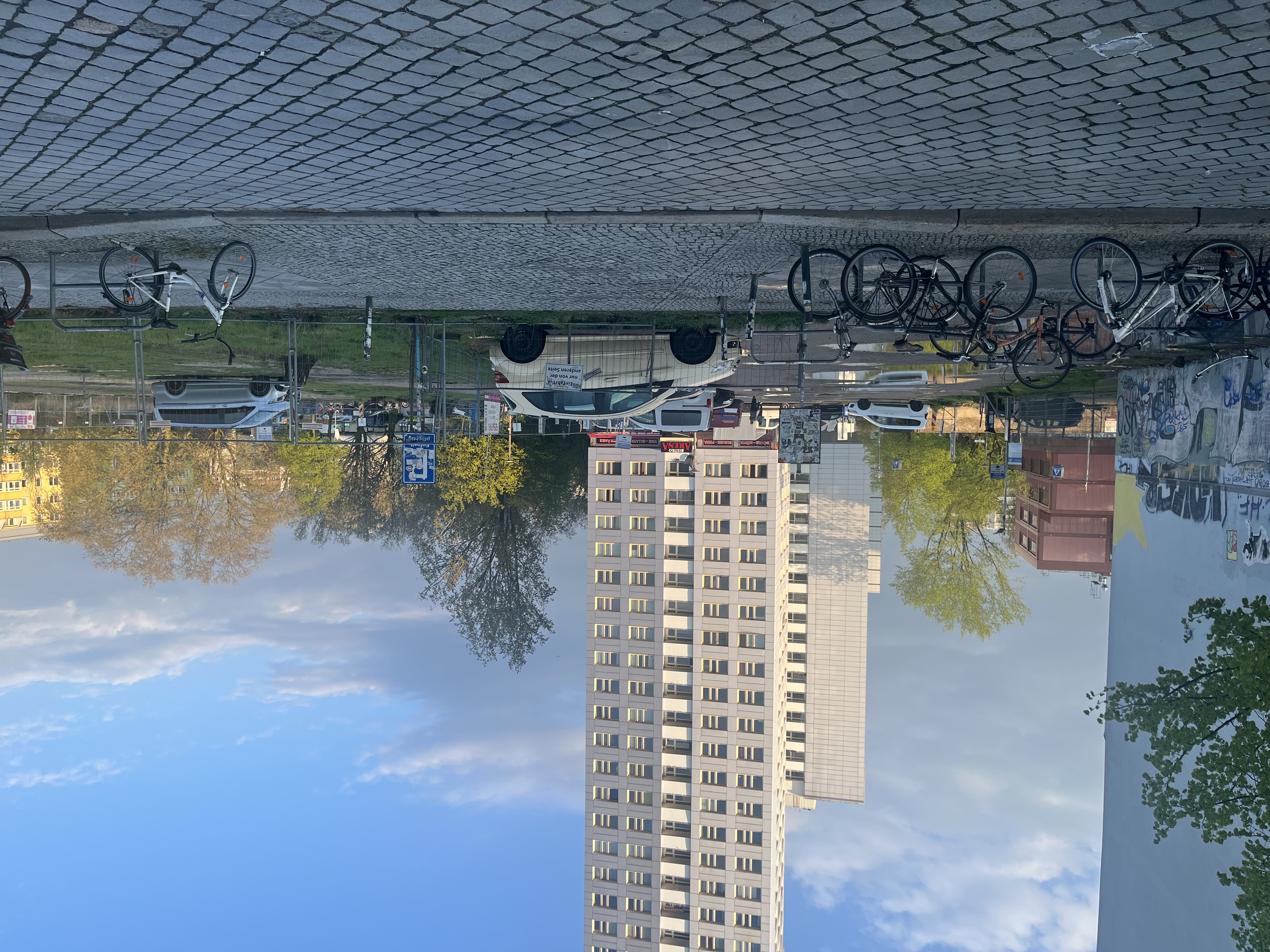
Ostbahnhof — Right out of the station, a 4,800 sqm empty plot at the corner of Lange Straße and Straße der Pariser Kommune. According to BORIS, that's €8,000/sqm, over €38 million worth of land. There is a plan: a 12-storey office building called BOBH by Eike Becker Architects. The building application was submitted in July 2022. Trees were cleared in early 2024. The döner shop was demolished in March 2025. As of my ride: still a parking lot. And don't worry about the Doner shop, it took over the location of Style Bar nearby... and while the Doner shop is nice I really miss Style Bar, that place was great!
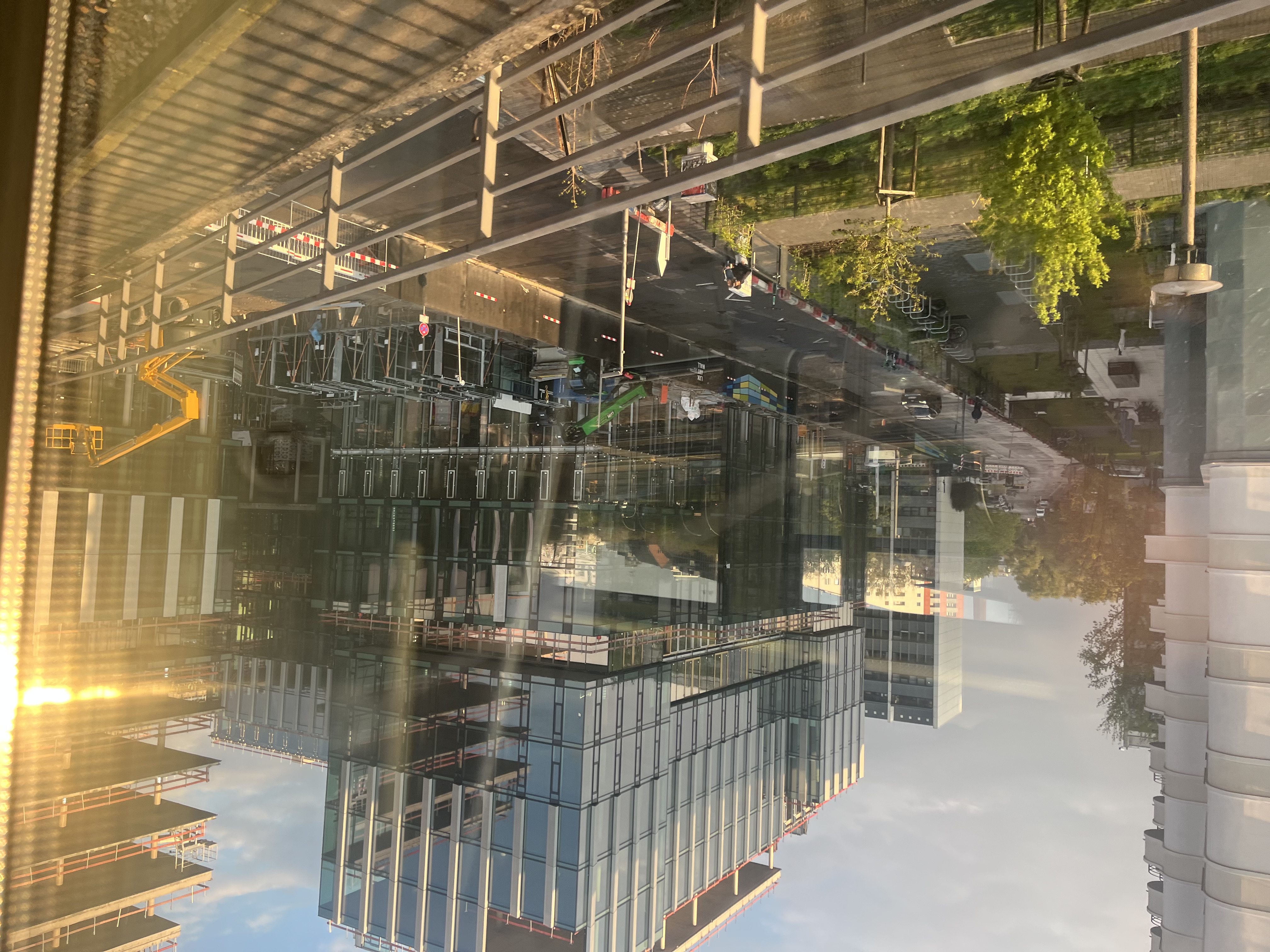
Signs of progress — The LXK Campus is going up nearby: 54,700 sqm of mixed use plus around 150 apartments, due to complete at the end of 2026. So development does happen.
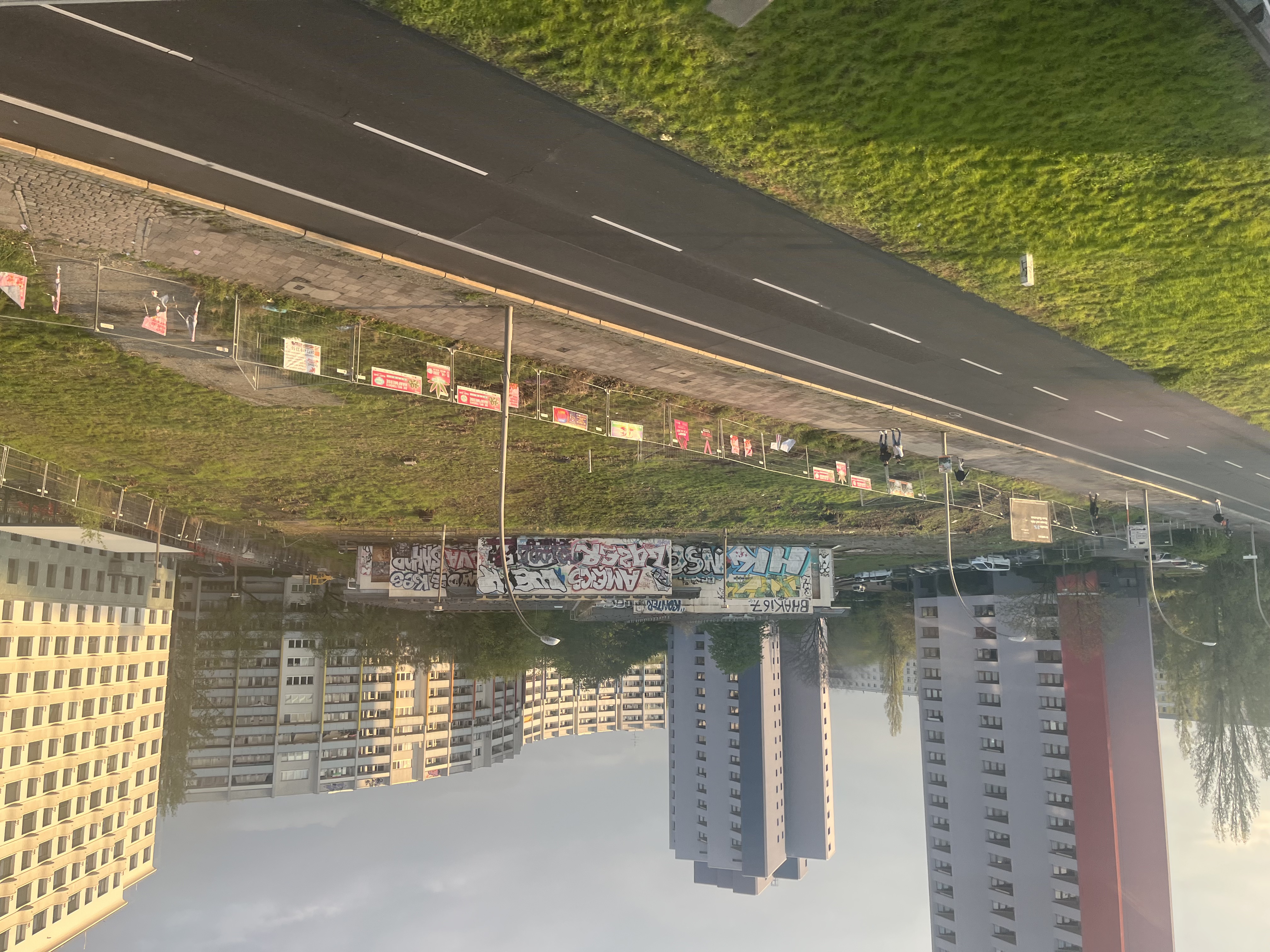
The pool — A site we've talked about before. Last time I looked, they'd cleared the vegetation around it. It seems to be growing back.
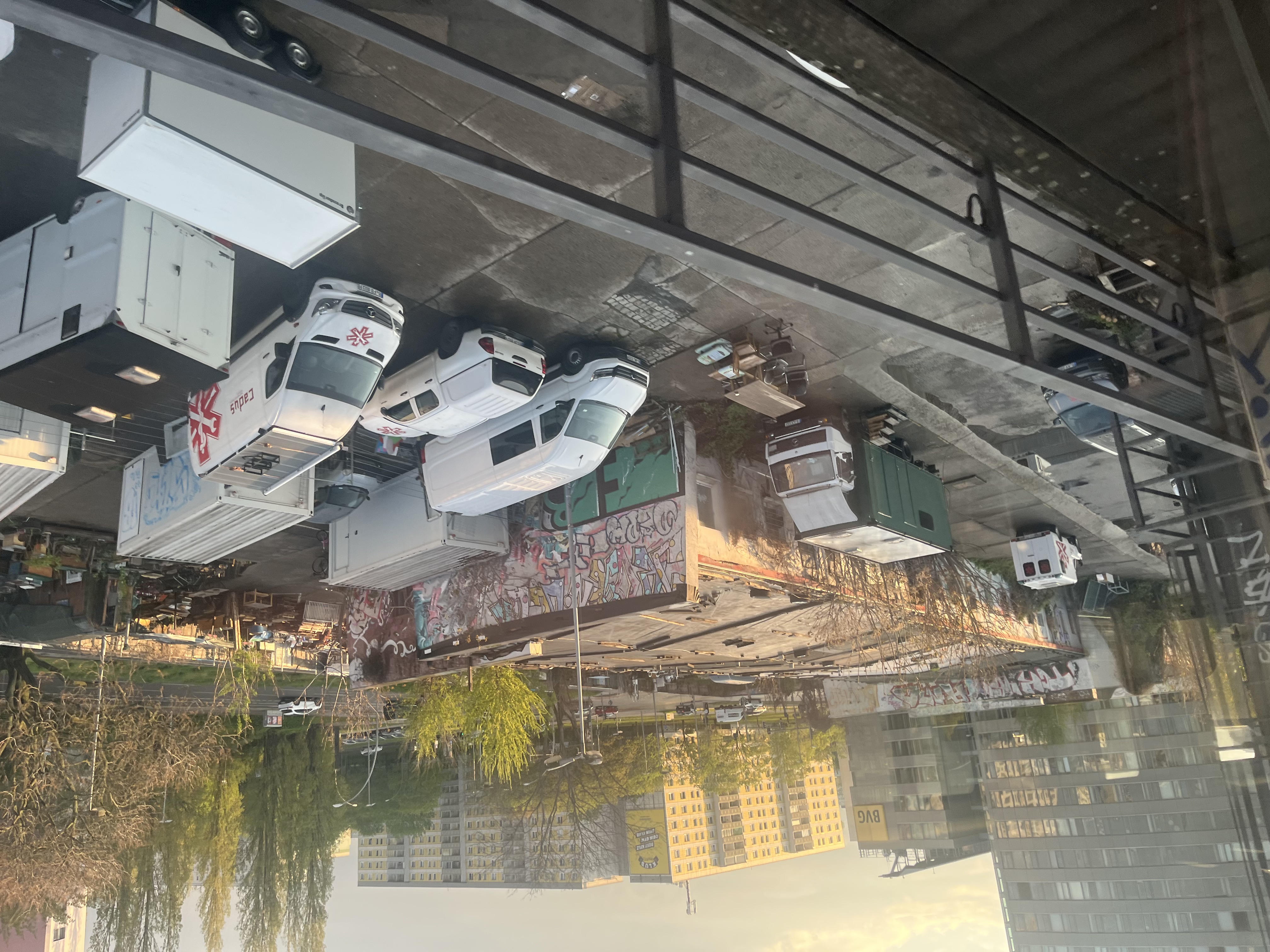
90mil — Across from the pool sits 90mil, a temporary DIY arts space at Holzmarktstraße 19–23, vague memories that it used be a van rental or something, can't find what it was before. Now there's an art school, ceramics, theatre, club nights. Their Instagram bio: "Multidisciplinary space. In the making, to be destroyed." Scheduled for demolition in 2026. I love places like this. There even used to be a pop-up sauna at the same spot, which was genuinely wonderful, and felt real old school Berlin! I feel bad calling this place "underdeveloped", and random fun stuff moving into disused places is one of the things I loved most when I first got to Berlin. Maybe if we did a better job developing the genuinely underdeveloped stuff like the carpark above, in a timely manner, we wouldn't be in such a crisis that we have to come for places like this that make Berlin unique (see also: Raw Galende, Templehof...)
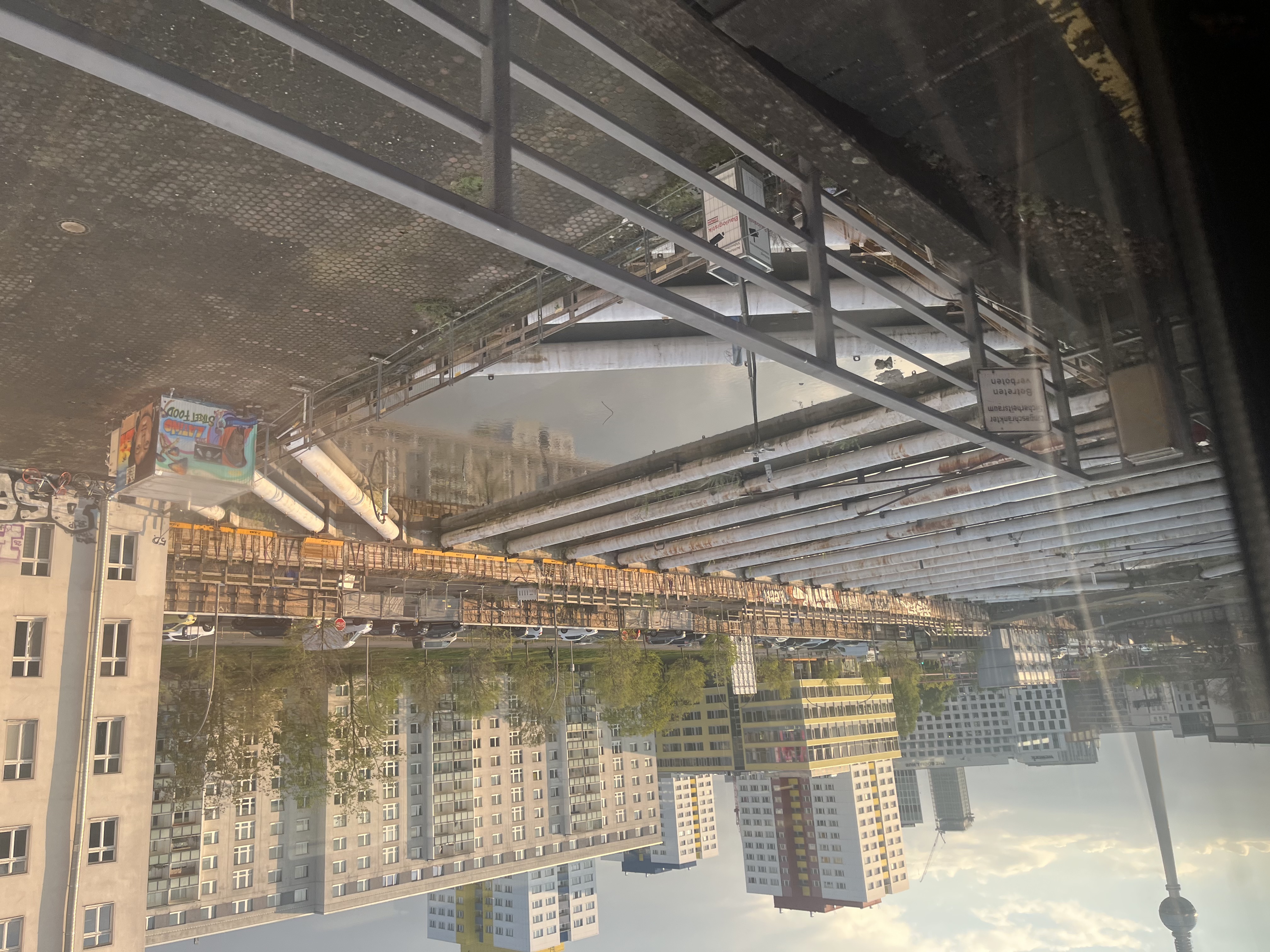
JaHo — The future site of JaHo Berlin, a major development with a 75m David Chipperfield-designed tower. Around 50,000 sqm on a 7,400 sqm plot. The website says completion in 2028, but the site has been largely stalled, with the construction pit filled with rainwater for months. If there are regulatory reasons for the delay, the kind of thing Berlin's Schneller-Bauen-Gesetz was meant to addres. Hopefully they're solvable.
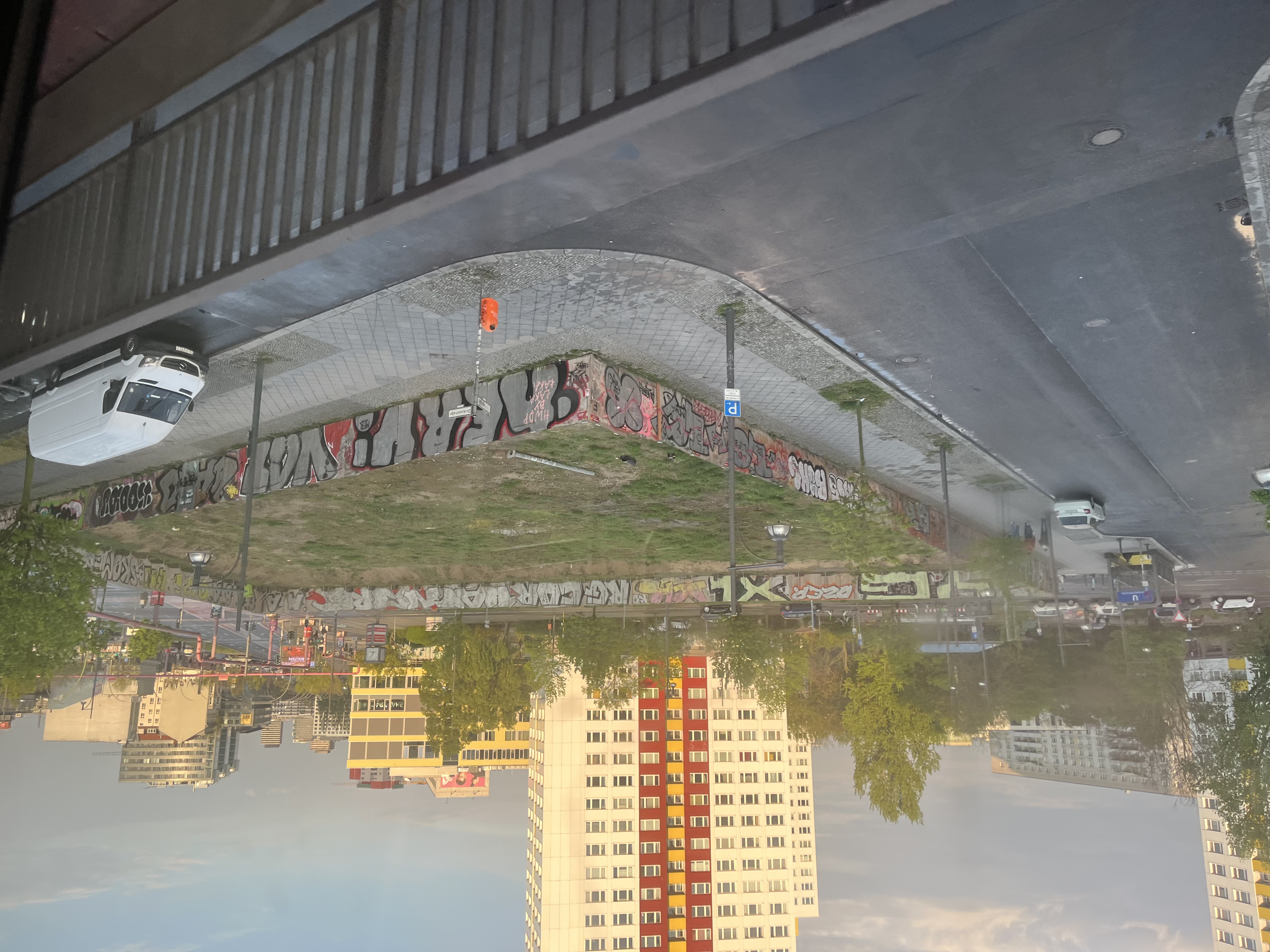
The plot opposite JaHo — A 3,564 sqm empty plot directly next to a U8 exit and on the S-Bahn line. Eyeballing the historical map on BORIS, it looks like it was already empty back in 2002, when the land was valued at €2,800/sqm. Today it's €7,500, nearly €27 million. Over twenty years of doing nothing, and the value nearly tripled anyway. That's the whole problem in miniature. There is now a plan; the Central Tower Berlin, a 105m mixed-use tower by HB Reavis, but as of April 2026, it's only just entering the design phase.
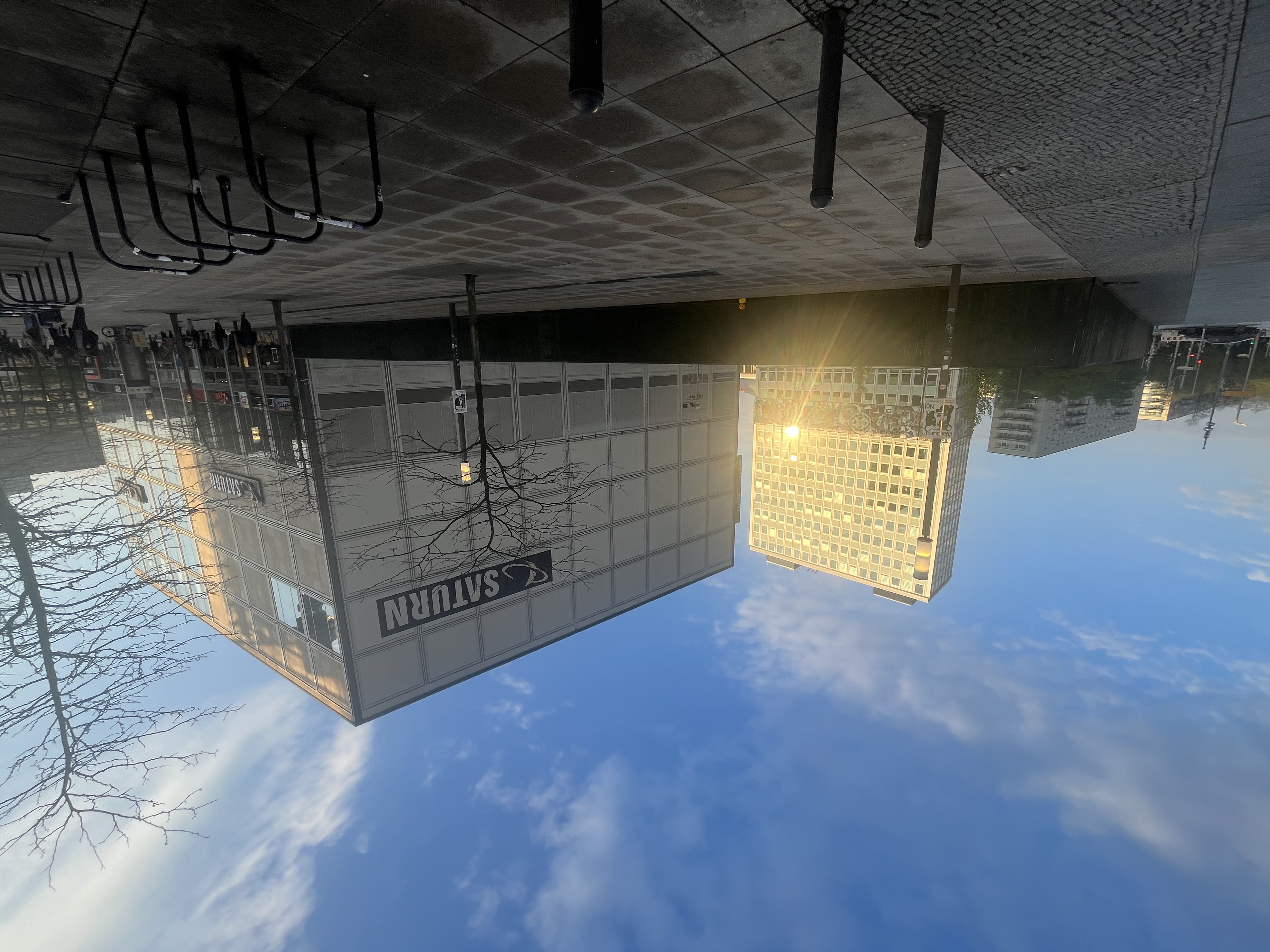
Alexanderplatz — Things are actually happening at Alex. The Berlinian, a 146m office tower, had its topping-out in January 2026. The Covivio D3 tower is rising nearby. But even here, there's a plot that's been empty since before Saturn was built. Here's a photo from 2001, taken from the Fernsehturm. That plot? Still empty. Twenty-four years later.
This one's pretty interesting: The plot belongs to Hines, who in 2014 held an architectural competition for a 150-metre residential tower — Frank Gehry won. 300 apartments, a hotel, restaurants, a $340 million project. Construction was supposed to start in 2015. Then the BVG raised concerns about the U5 tunnel underneath. The planning process stalled, restarted, and then... I'm not sure what happened. There may well be genuine engineering barriers. But whatever the reasons, a prime piece of Alexanderplatz has been sitting vacant for a quarter of a century while the city grew by hundreds of thousands of people. It makes you wonder whether the system creates enough urgency to work through those barriers, or whether it's just as easy to wait.
The Pattern
That's just what I spotted over three stops, looking out one side of the train. And the pattern isn't "nobody wants to build here." It's that almost every site has plans, some for over a decade, and things move glacially.
Berlin's Senate knows this. They passed the Schneller-Bauen-Gesetz in December 2024, and just passed the Simple Construction Act to cut costs and streamline permitting. That's good, regulatory reform matters.
Let's hope that helps replicate here what happened in Austin, Texas. Austin had a similar problem, rapid population growth, rising rents, not enough housing. They loosened zoning, streamlined permitting, and let developers build. Nearly 50,000 new rental units hit the market in 2023 and 2024. Rents dropped 22% from their peak. Landlords started offering months of free rent to attract tenants.
The lesson is simple: when you actually build at scale and at speed, rents come down. Supply works.
So Why LVT?
Regulatory reform is necessary but not sufficient. Even if you make it easier to build, you also need to make it expensive not to. Right now, holding empty land in central Berlin costs very little relative to its value. A landowner can sit on a plot next to a U-Bahn exit for twenty years, watch the value triple from €2,800 to €7,500 per square metre, and face no real financial pressure to develop. Even Berlin having recently the fastest rising property prices in the world wasn't enough to get these plots developed.
Land value tax changes that equation. It doesn't tell anyone what to build. It just makes holding prime urban land idle an expensive choice. The result is that development happens more broadly, more quickly, and earlier, ideally before things reach crisis point. It also encourages more of what we saw above with The Berlinian above: redeveloping an existing 5 story building into a 33 story one. That's a pretty extreme example, but would also encourage smaller changes like converting building attics into apartments.
Tarek Massalme is right that we need the equivalent of a new district. It doesn't need to be built from scratch far out, when you ride the S-Bahn through the centre of the city and start paying attention, you realise: a lot of that district is already planned in very central locations. It's just waiting. The question is how long we're willing to keep waiting.
This was also just one side of three very central S-Bahn stations, how many more locations/stories like this are there? Start thinking in land, and you'll see it everywhere.
This post is part of a series exploring land value tax and urban development in Berlin. I'm not an expert, this is just me learning in public. If you know more about any of the sites mentioned here, or if you disagree with anything, I'd love to hear from you.